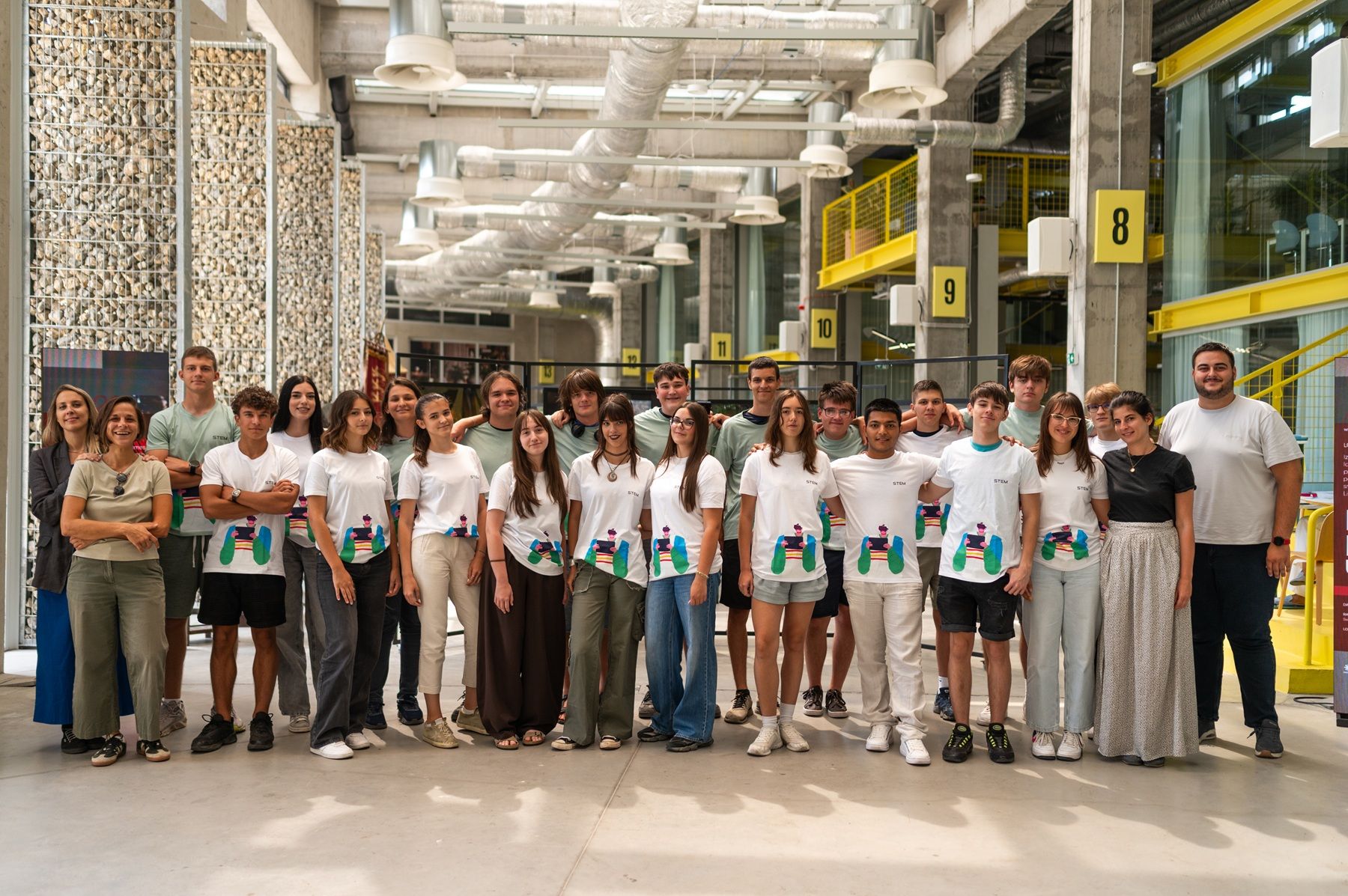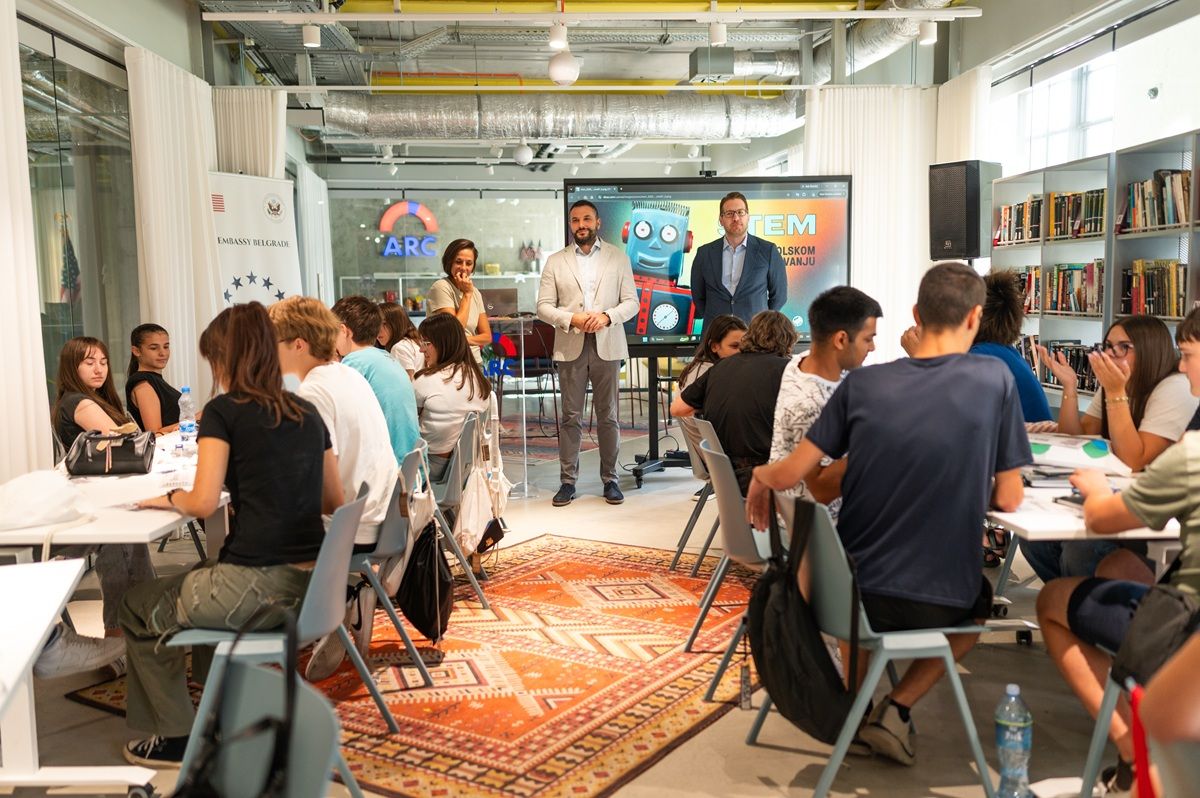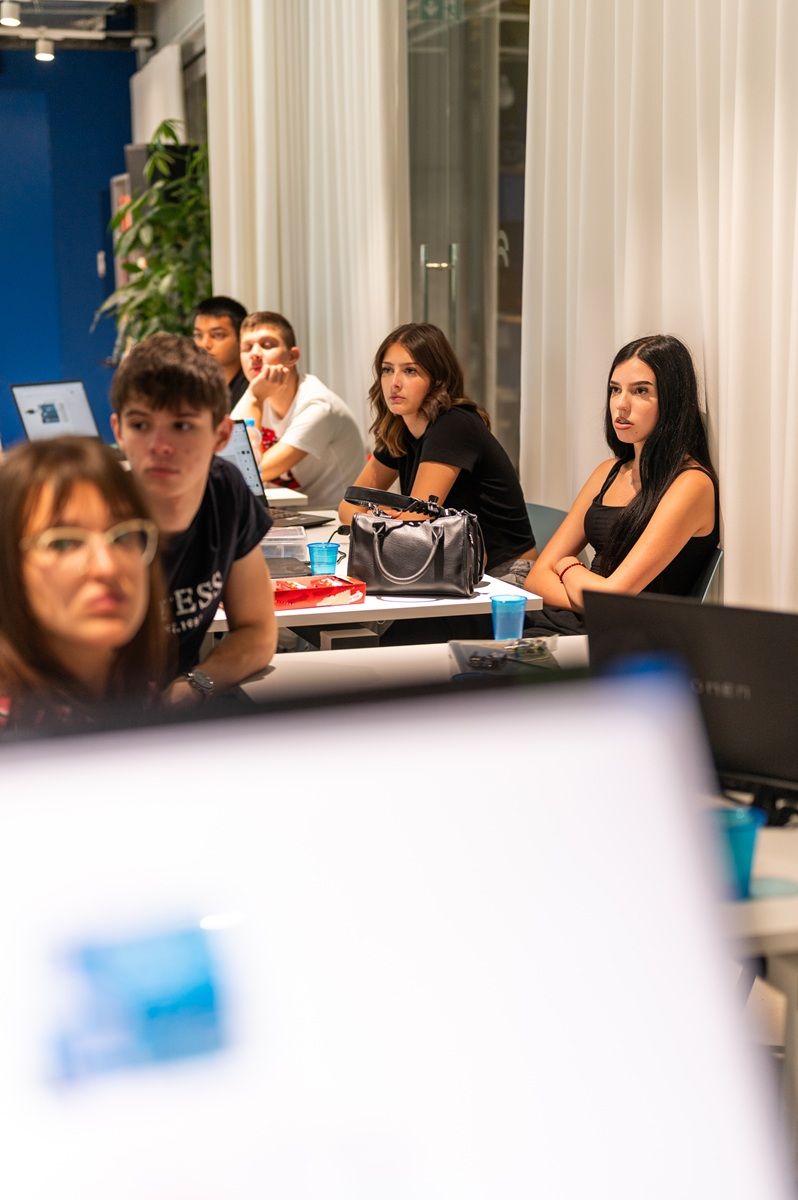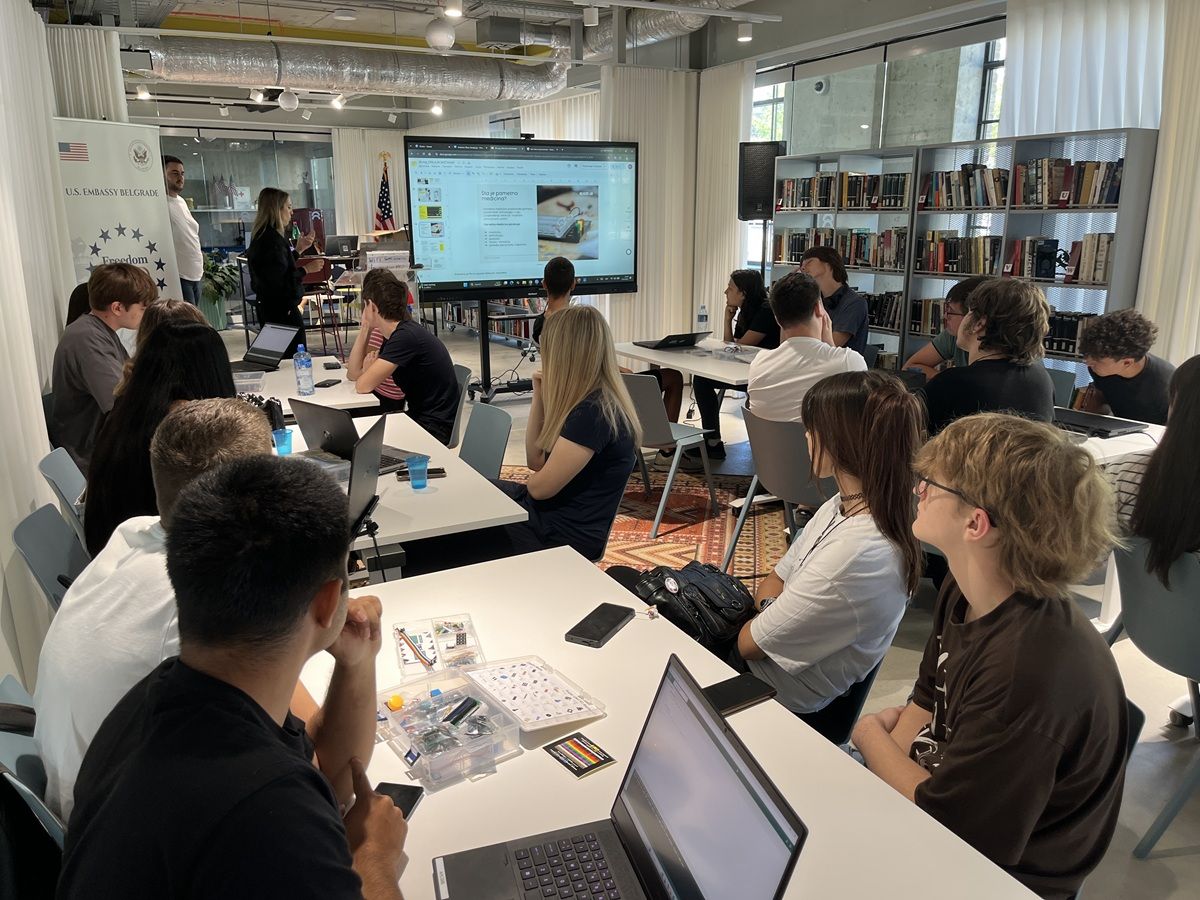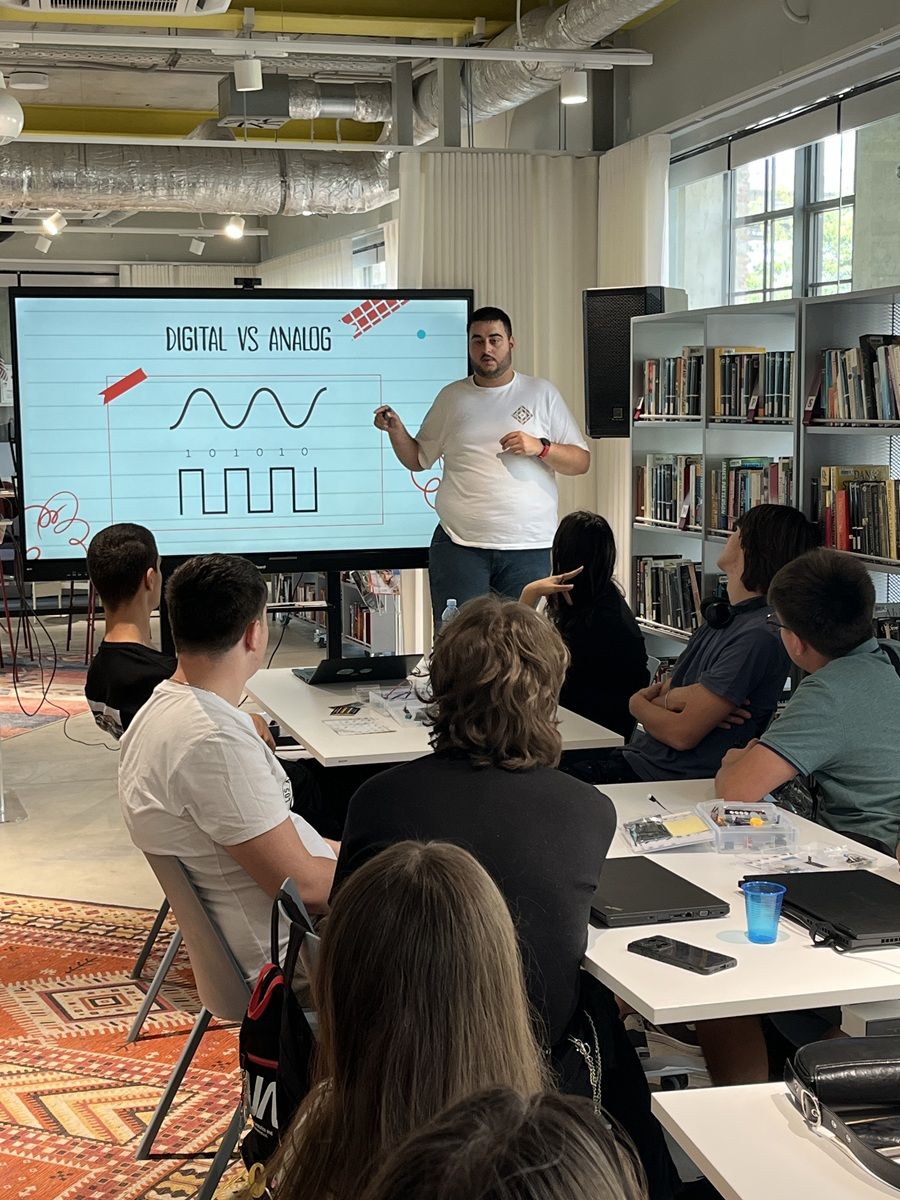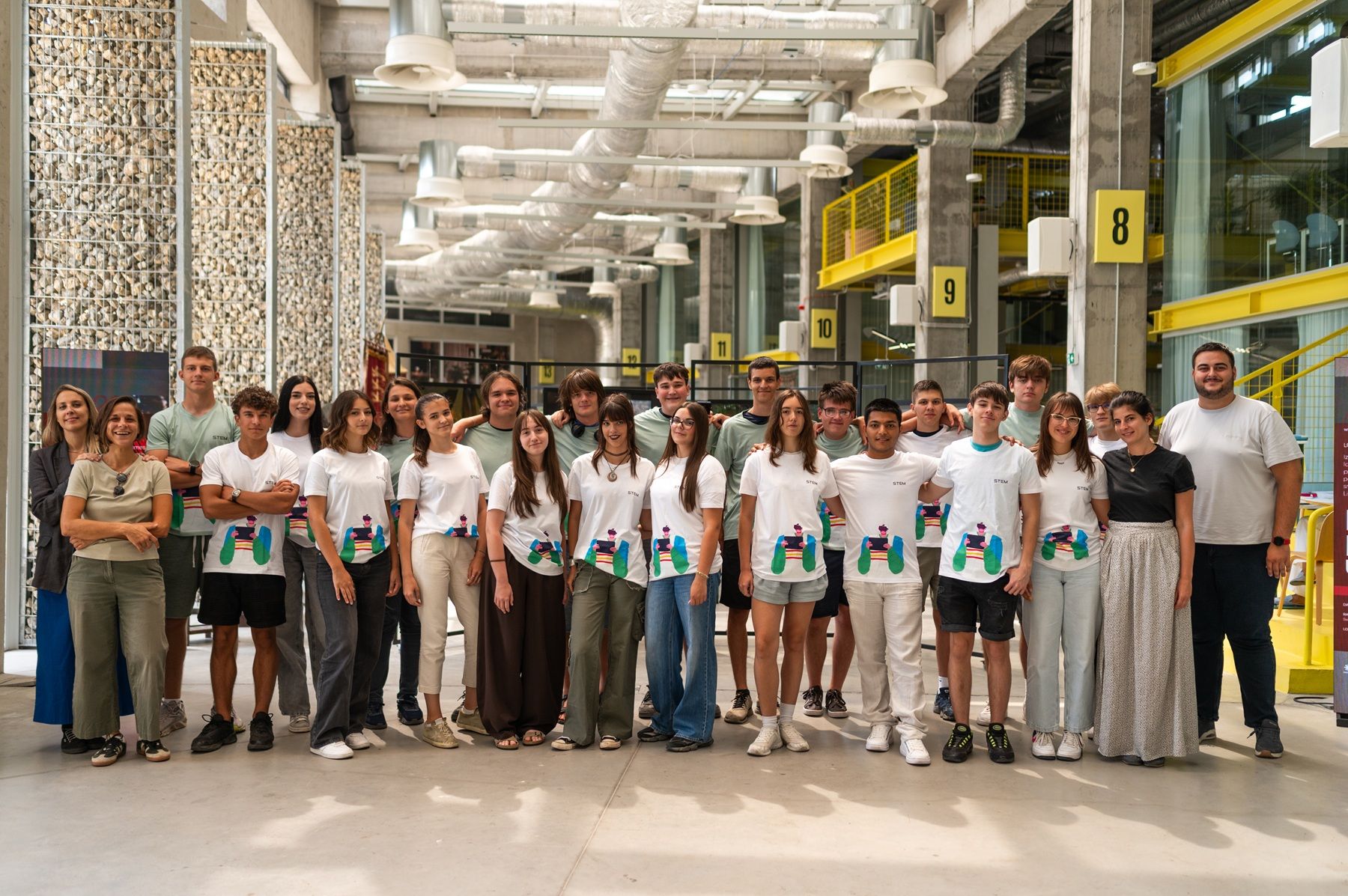
Organized by the Ana and Vlade Divac Foundation with the support of the NCR Atleos Foundation, the three-day Arduino science camp “Technology That Solves Challenges” was successfully completed. During the camp, 22 high school students developed their STEM skills through hands-on work and explored how technology can contribute to solving concrete challenges in everyday life and local communities.
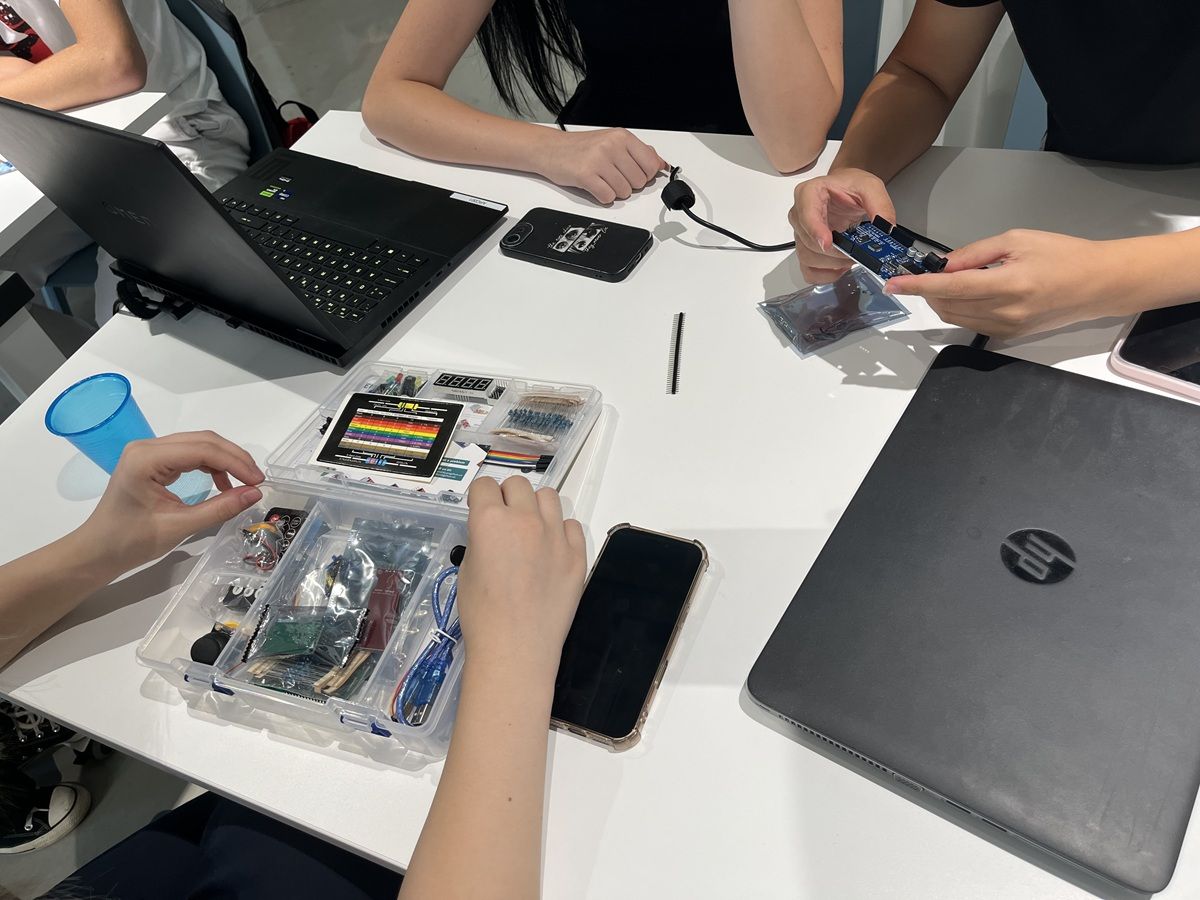
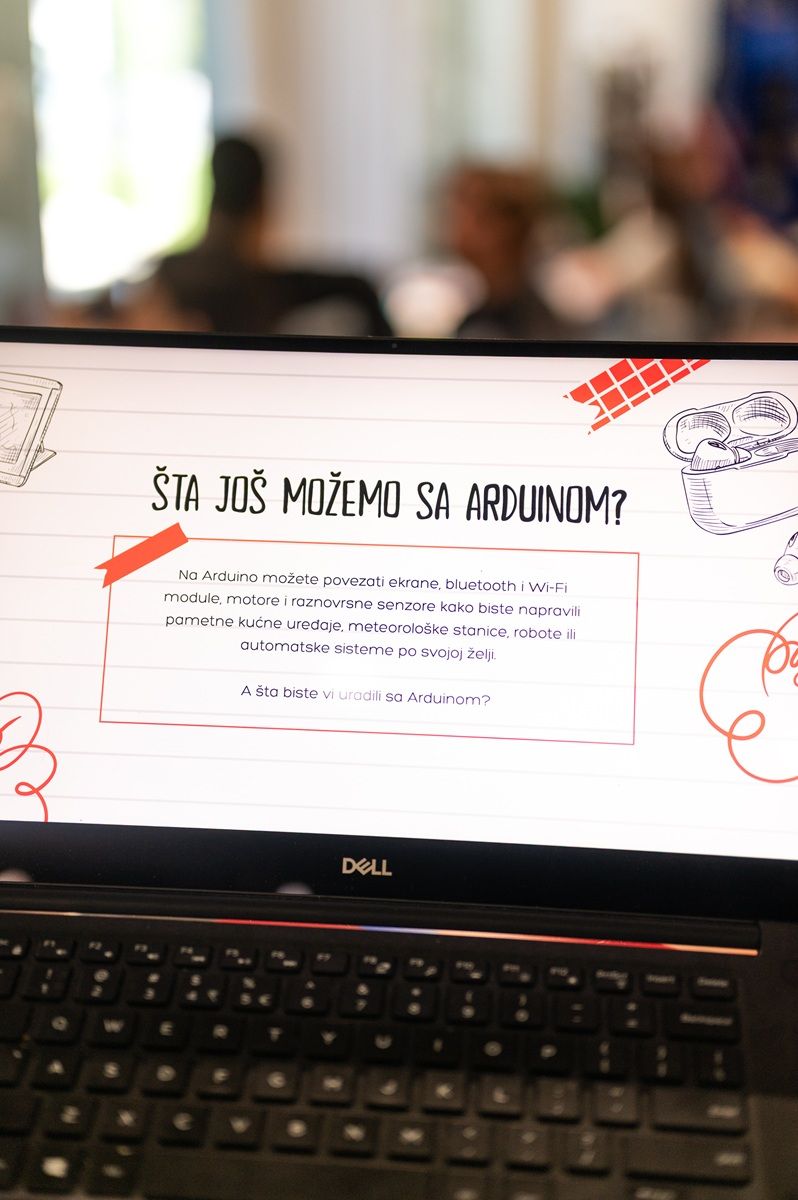
Over three intensive days, participants worked with the Arduino platform, sensors, and microcontrollers, going through the entire process of developing a technological solution - from understanding a problem and developing an idea, to building and testing a prototype, and finally presenting the results of their work.
Each day of the camp focused on a different area in which modern technologies are playing an increasingly important role.
Smart medicine gave participants an opportunity to explore how biological signals can be connected to devices and sensors, and how technology can support health monitoring.
As part of the smart agriculture theme, participants worked with humidity, temperature, and light sensors, learned how environmental data is collected and analyzed, and explored how such systems can contribute to more efficient food production.
On the third day, dedicated to smart cities, participants developed sensor-based systems for monitoring environmental conditions such as temperature, air quality, and noise, while considering how the collected data could be used to improve quality of life.
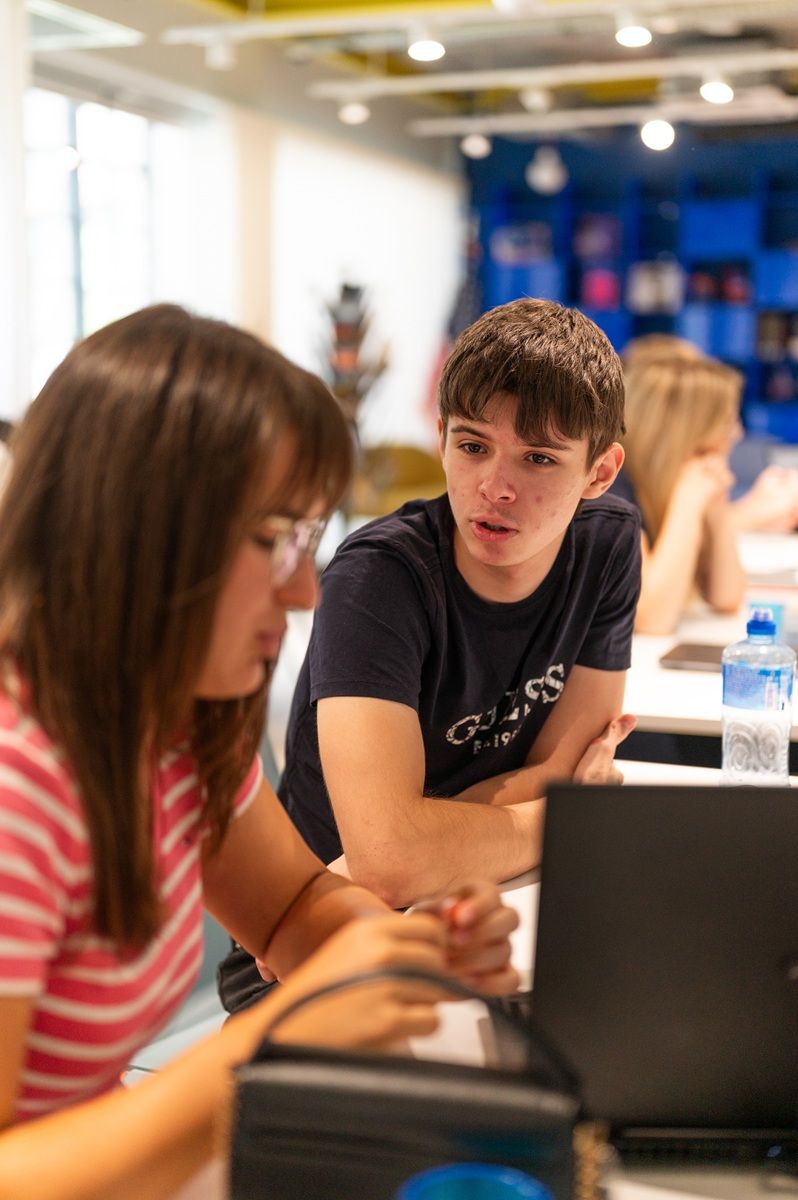
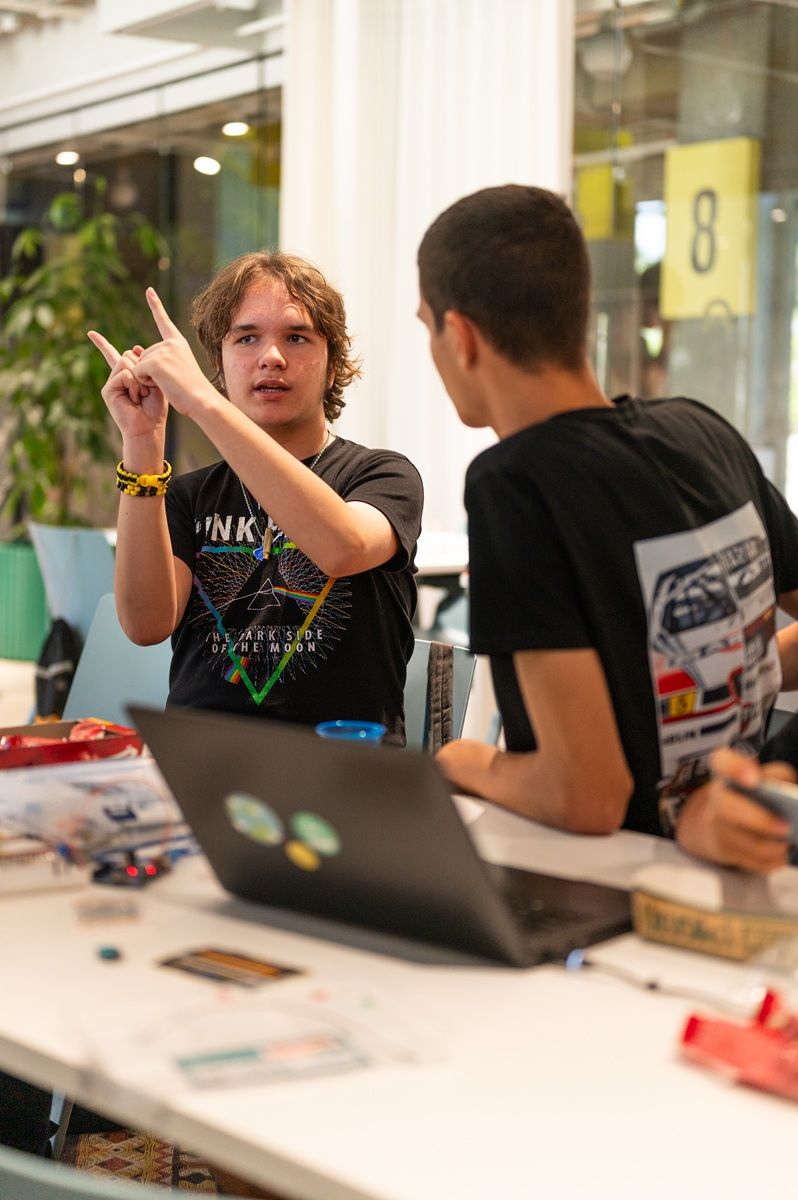
The camp was based on the “learning by doing” approach, teamwork, interdisciplinary learning, and solving real-world problems. In addition to technical knowledge, participants developed creativity and critical thinking, communication and teamwork skills, as well as the ability to turn an idea into a functional solution.
A particularly valuable aspect of the program was that technology was not presented as an end in itself, but rather as a tool young people can use to respond to the real needs of individuals and communities.
Participants themselves confirmed that hands-on learning was one of the camp’s greatest strengths. In the evaluation, they particularly highlighted “programming,” “the smart medicine topic and group work,” as well as “the relaxed atmosphere and easy collaboration with everyone.” They also reported feeling more confident about approaching similar projects independently after the camp and said that the program had further increased their interest in STEM fields. All participants said they would recommend the camp to their peers.
At the end of the camp, participants received certificates recognizing their effort, teamwork, newly acquired knowledge, and the functional prototypes they developed during the program.
With the support of the NCR Atleos Foundation, the Ana and Vlade Divac Foundation continues to encourage young people’s interest in science, technology, engineering, and mathematics and to provide opportunities for them to apply their knowledge in the real world.
Congratulations to all our young innovators! We hope they will continue developing the ideas and knowledge gained at the camp in their schools and communities.